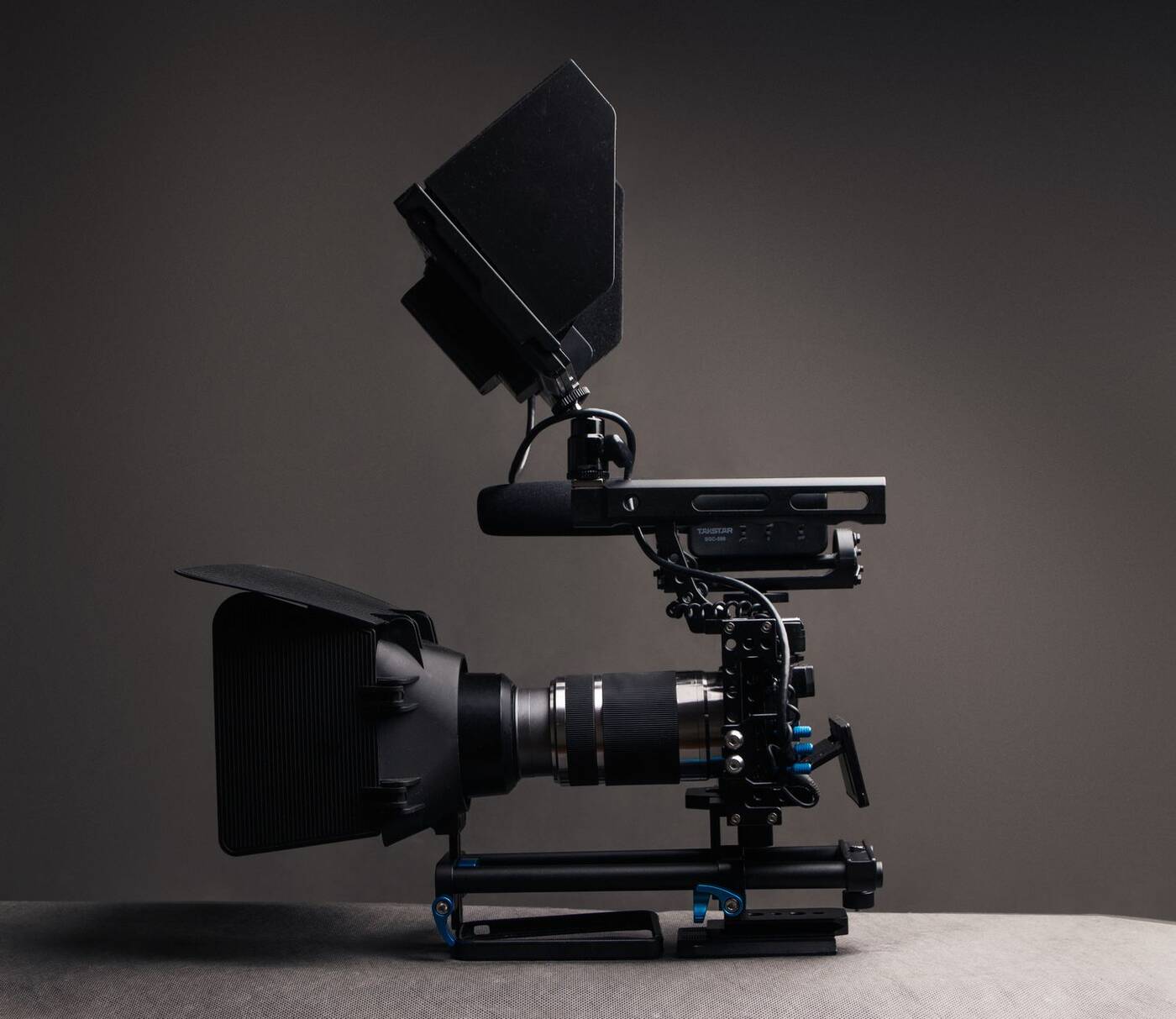
Camera
Camera Operator
Motors can steady a shot, but only an operator feels when an actor is about to move and gets there a beat before they do.
The job, and where it's going.
The camera operator physically runs the camera during takes: framing, panning, tilting and moving with the action so every shot lands the way the DP and director planned. You might be on a geared head, a dolly, a handheld rig, a gimbal or a Steadicam. You're the person watching the frame during the take, so you're often the first to call a boom in shot, a missed mark or a focus buzz.
What stays human
- Reading an actor's body and anticipating movement before it happens
- Composing on the fly when a take goes off the plan and it's still the best take
- Carrying a body-worn rig through stairs, crowds and uneven ground safely
- Talking with the dolly grip, focus puller and boom operator in short, calm cues mid-take
- Telling the DP and director honestly whether the shot worked
What's changing
The next ten years
Gimbals, remote heads and wireless video are standard on most professional sets, and Steadicam and Trinity operators are a specialist tier.
Over the next few years, expect more automated focus and tracking aids on smaller crews, and more operators asked to fly drones or work on LED stages.
Likely outcome: the routine moves get automated, and the operators who stay in demand are the ones trusted for the hard, human shots, like the long Steadicam oner or the handheld scene that has to feel alive.