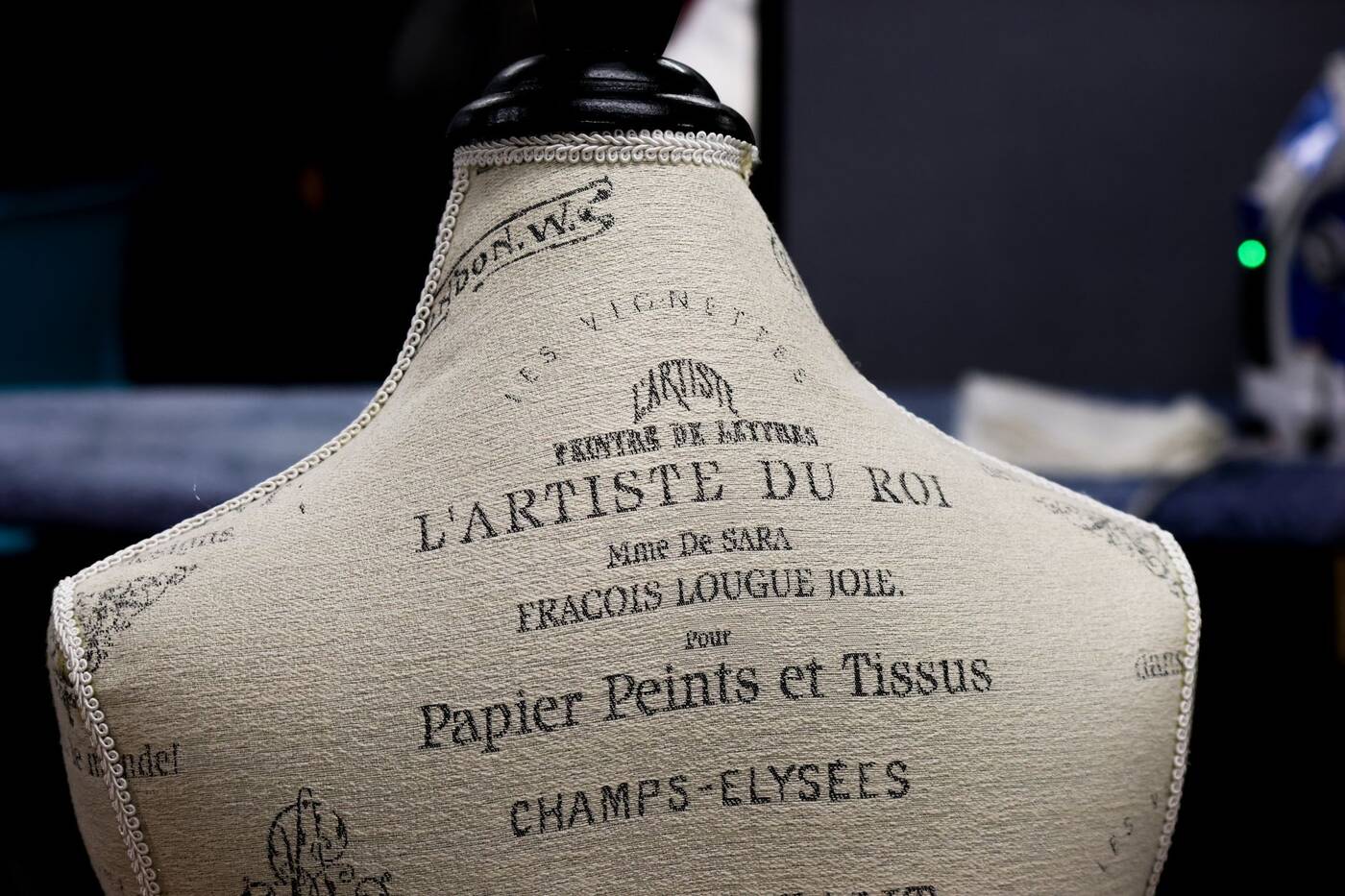
Costume
Costume Designer
Clothes tell the audience who someone is before they speak, and the designer who builds a character out of fabric, fit and wear stays at the heart of every story.
The job, and where it's going.
A costume designer creates the look of every character, from a single commercial spokesperson to hundreds of extras in a period drama. You break down the script, research, sketch or build mood boards, then shop, rent, build and fit costumes within a budget. You lead a team of assistants, supervisors and costumers who keep everything clean, organized and matching through the shoot.
What stays human
- Reading a script and finding who a character is through clothes
- Running a fitting and seeing how a garment moves on a real body
- Building trust with actors so they feel like the character
- Distressing and aging pieces so they look lived in on camera
- Making fast calls when a costume rips five minutes before a take
What's changing
The next ten years
Designers sketch digitally, track continuity in apps, and still rely on rental houses like Western Costume for period stock. 3D garment software is common in fashion and growing in costume.
Expect more digital fittings and 3D previews before builds, and more testing on virtual production stages. Budgets are likely to stay tight, so sourcing skill matters.
The likely future still needs a person in the fitting room. Designers who pair a clear eye for character with fluent digital tools and tight budgets should lead the department.