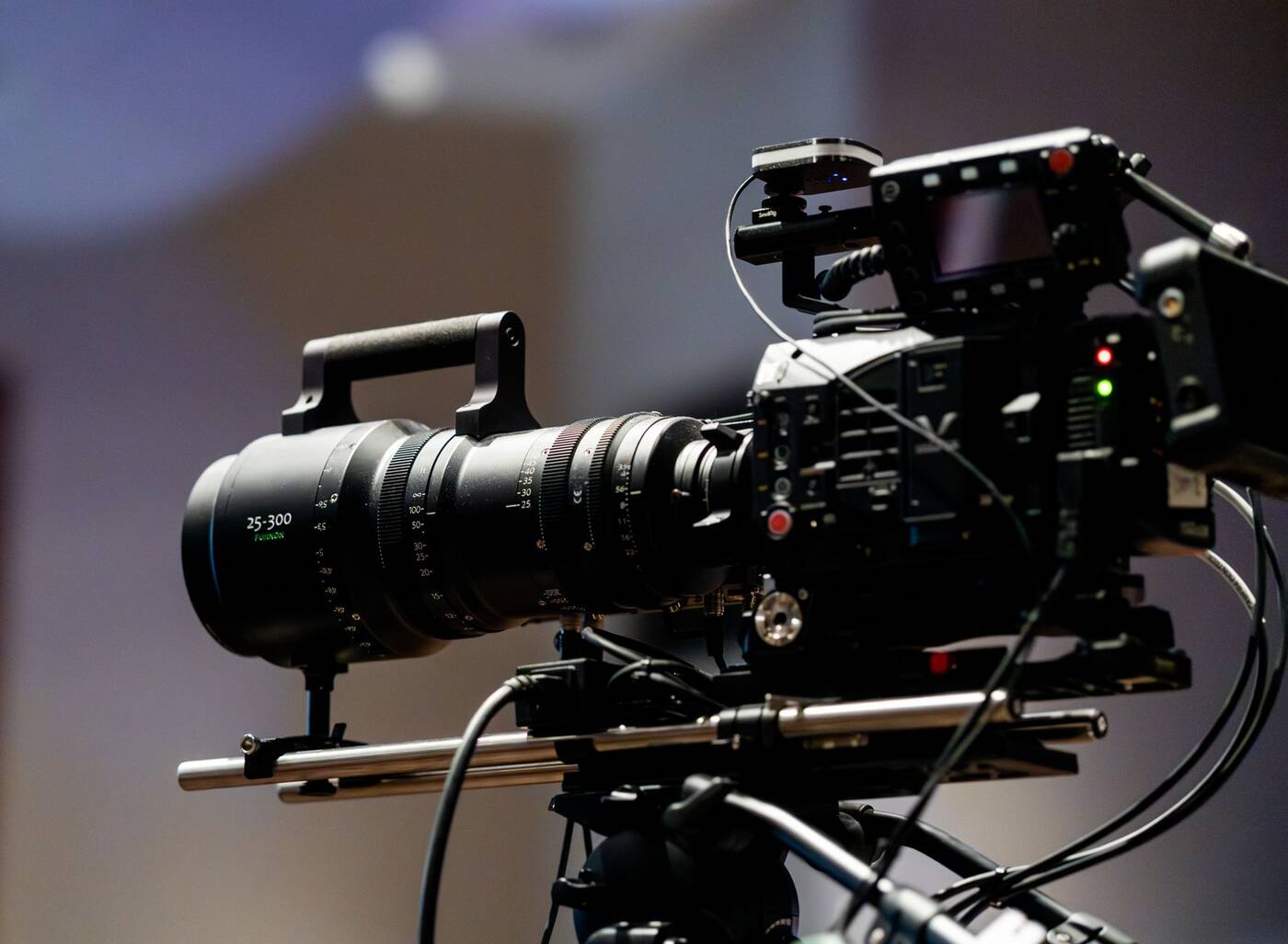
Camera
Director of Photography
When anyone can make a picture, the person who decides what the picture should feel like, and can light a real room to get there, becomes the one everyone calls.
The job, and where it's going.
The DP, also called the cinematographer, is responsible for how a film or show looks. You work with the director to plan every shot, choose the camera, lenses and lighting, and then run the camera, grip and electric teams on set so the plan actually happens. Your job doesn't end at wrap, either. You protect the look through dailies and the final color grade.
What stays human
- Reading a scene with the director and actors and deciding, in the moment, where the camera belongs
- Lighting a real face in a real room, then adjusting when the sun moves or the blocking changes
- Leading a camera, grip and electric crew through a long day, keeping them safe and on schedule
- Making the tradeoff calls: one more take, a faster setup, a cheaper lens that still tells the story
- Earning the trust of a director so they hand you the visual side of their film
What's changing
The next ten years
Camera to Cloud, on-set grading and LED volume work are already standard on many larger productions, and showing up on smaller ones.
Over the next few years, expect more producers to ask for virtual previs before a shoot and same-day dailies as a default, even on commercials and branded work.
The likely shape: fewer people touching the camera, more of the image decided before the shoot day, and a DP who is valued for taste, leadership and on-set judgment more than for knowing which buttons to press.