Grip
Grip
Cameras keep getting lighter and moves keep getting wilder, so the people who can rig them safely to cars, cranes, gimbals and ceilings matter more every year.
The job, and where it's going.
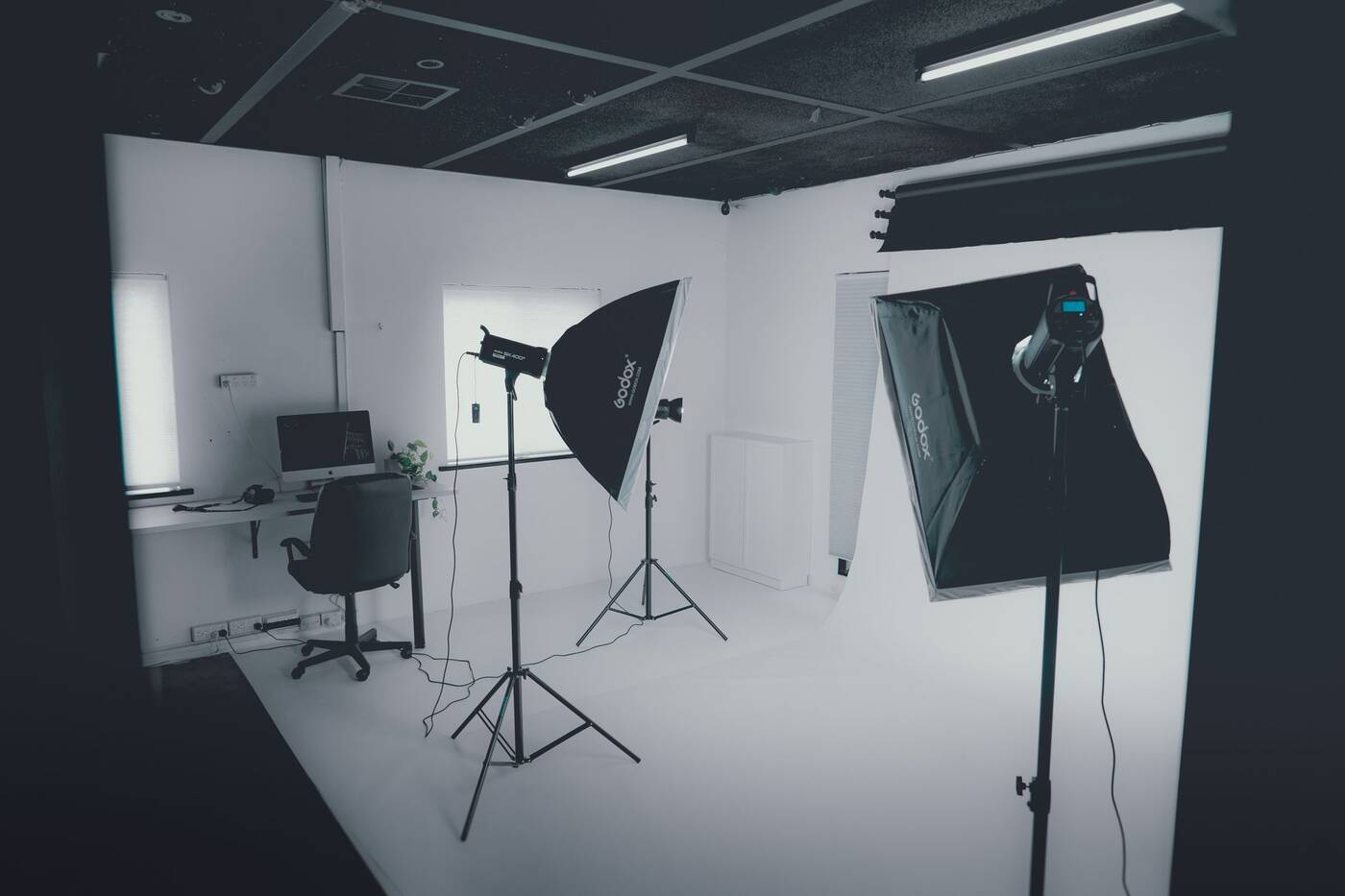
Grips shape light and move the camera. You set flags, frames and silks to cut and soften light, build and level dolly track, rig cameras to cars and walls, and keep every stand and rig safe. The key grip runs the department with the best boy grip and the dolly grip.
What stays human
- Building a rig in a real space with real weight, wind and people underneath it
- Pushing a dolly or swinging a crane in time with an actor, take after take
- Judging whether an anchor point, a roof or a car mount will actually hold
- Reading the light with the gaffer and deciding where the 12x12 goes before the sun moves
- Keeping a crew and cast safe around lifts, gimbals, cars and drones
What's changing
The next ten years
Stabilized heads, remote cranes and LED-friendly lightweight rigs are common. Classic grip gear like C-stands, frames, dollies and track is still the daily backbone.
Likely more stage and LED volume work, more repeatable moves, and more productions asking for grips who can rig and operate remote systems.
The grip is likely to be a rigging and motion specialist who understands loads, motors and safety systems as well as flags and frames. The hands-on, safety-first judgment stays the core of the job.