‹ All roles

Sound

Production Sound Mixer

Step 1 of 8 · Overview

Clean dialogue recorded in the moment is still the hardest thing to fix later, and the mixer who manages crowded airwaves, timecode and files for the whole set is the one productions trust.

The job, and where it's going.

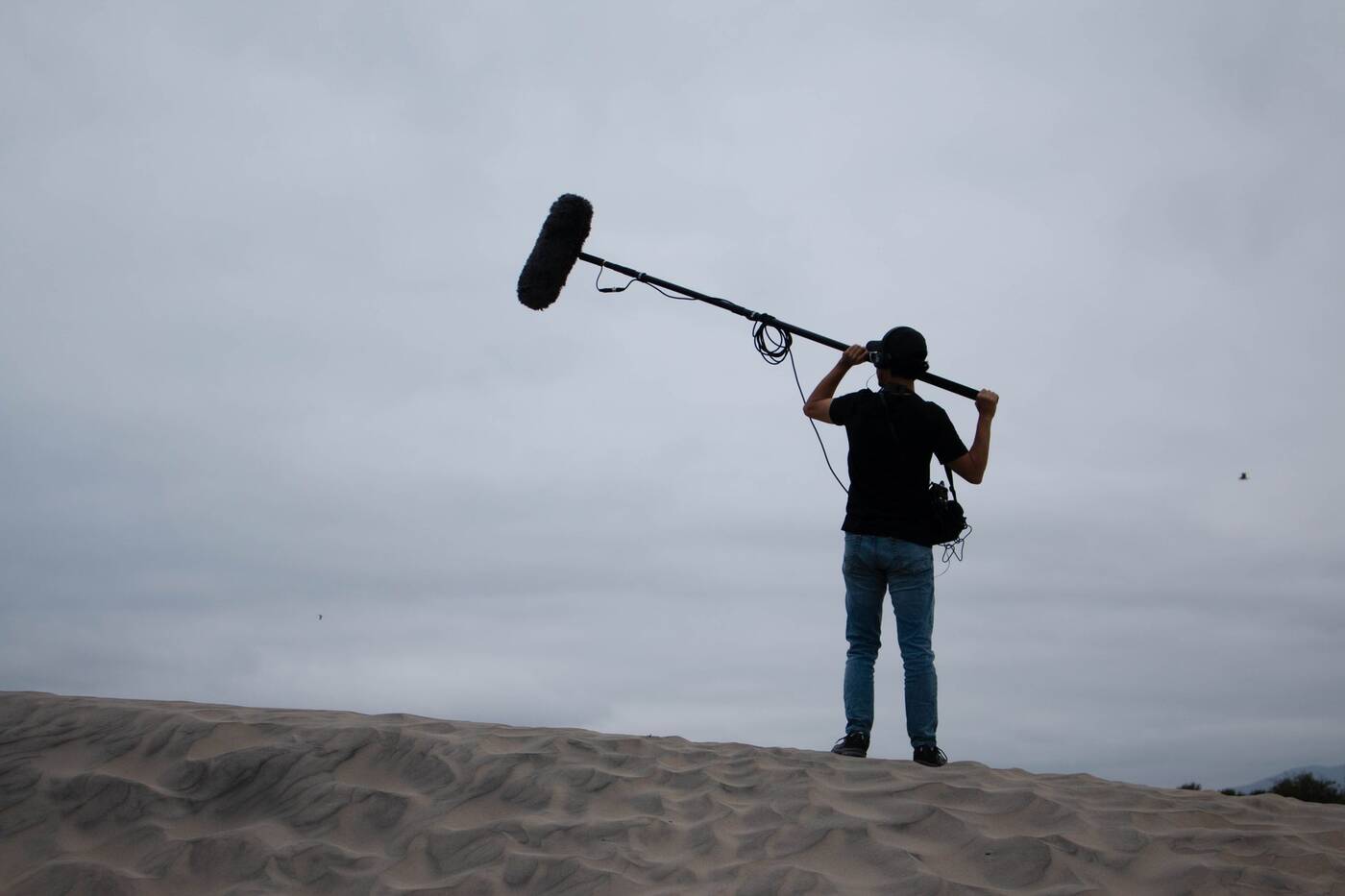
The production sound mixer records the dialogue and sound on set. You choose and place mics with your boom operator and utility, run the wireless, mix and record every take, and keep timecode in sync with the cameras. At wrap, your files and sound reports go to editorial.

What stays human

  • Hearing the problem in a take, a rustle, a plane, a buzzing fridge, and fixing it before the next one
  • Placing a lav on an actor respectfully and invisibly, in their costume, with their consent
  • Deciding with the director when to go again for sound and when to let it go
  • Reading a location for noise before anyone else does on the scout
  • Leading a boom op and a utility as a team, all day

What's changing

Less spectrum, more devicesWireless mics share the TV band with broadcasters and other users, and available frequencies have shrunk over the years. Coordination with tools like Shure Wireless Workbench is now a core skill, not an extra.
Digital wirelessDigital systems like Lectrosonics' DSR4 receiver and DSSM transmitter, Shure Axient Digital and Wisycom offer encryption and dense channel plans. Knowing each system's quirks matters as sets mix brands.
Sound goes to the cloud from the cartSound Devices' Scorpio and 888 can upload files straight to Frame.io's Camera to Cloud, matched to camera clips by timecode. Editorial may start cutting with your audio within minutes, so metadata has to be right every take.
Audio over networksDante audio networking is built into recorders like the Sound Devices 888, letting carts send dozens of channels over one Ethernet cable. Expect more carts built around networks.
Timecode everywhereMore cameras, phones and second units means more devices to keep in sync with Tentacle Sync or Ambient Lockit boxes. One drifting box can cost editorial hours.
Smarter cleanup tools in postDialogue cleanup software like iZotope RX keeps improving. It rescues some takes, but post teams still want clean, well-miked originals, and the mixer's job is to give them that.

The next ten years

Now

Digital wireless, multitrack recording, Bluetooth timecode and app control of recorders are standard. Cloud upload from the cart is in use on some productions.

Next few years

Likely more networked carts, more cloud delivery to editorial, and tighter wireless coordination as more devices compete for the same frequencies.

By 2036

The mixer is likely to be the set's audio and sync systems lead, managing RF, timecode, networks and file delivery alongside the mix. Getting great dialogue in the moment stays the job.

NeedaCrew connects crew, talent and productions. Producers choose who they book, and each booking is between them and the person they hire.

Production Sound Mixer in 2036: tools, training and what's changing | NeedaCrew